

Short answer: Steel is the best garage door material for most homes in 2026: it costs $650 to $3,200 per door, installed, lasts 15 to 30 years, and needs the least upkeep (Angi, 21 September 2026; Angi, 10 April 2026). Wood looks best but costs $900 to $4,500 and needs regular sealing. Aluminium suits damp air, fibreglass suits salt air, and full-view glass costs $2,500 to $8,000.
Garage Door Hub connects you with a trusted local pro. Get a clear price for your garage door repair or replacement first.
Table of Contents
Best Garage Door Material at a Glance (2026)
-
1. Steel Garage Doors
-
2. Wood Garage Doors
-
3. Aluminium Garage Doors
-
4. Fibreglass Garage Doors
-
5. Glass Garage Doors (Full-View)
-
6. Which Material Fits Your Climate?
-
7. Which Material Should You Choose for Your Home?
Video: Steel vs Wood vs Aluminium vs Glass Garage Doors — Which Material to Choose (Coming Soon)
Steel vs Wood vs Aluminium vs Glass Garage Doors — Frequently Asked Questions
The best garage door material is the one that fits your budget, your weather, and how much upkeep you will really do. Steel wins on price and strength for most homes, which is why it holds over 80% of US home garage door sales (GarageDoorLocator, 2026; ICanFixItGarage, 8 October 2026). Wood wins on looks, aluminium wins where air stays damp, fibreglass wins where salt air eats steel, and glass wins where light and a modern look matter most. This guide puts the five side by side, with the same Angi prices and lifespans for each, so you can compare like with like.
Read the table first, then the section for the material you like. Prices below are per door, installed, from Angi, updated 21 September 2026. Lifespans are from Angi, updated 10 April 2026. Where Angi gives no figure, this guide says so instead of filling the gap.
Best Garage Door Material at a Glance (2026)
Five materials cover almost every new garage door sold in the United States. Steel is the plain choice, wood is the classic choice, aluminium is the light choice, fibreglass is the moulded choice that can look like wood, and glass is the full-view choice in an aluminium frame. The table below gives the cost and lifespan for each from the same two Angi updates, so the gap between them is real and not a mix of old and new prices. Our new garage door guide covers the whole buying job, from size to style to when to replace.
| Material | Cost per door, installed | Lifespan | Best for |
|---|---|---|---|
| Steel | $650–$3,200 | 15–30 years | Most homes, best value |
| Wood | $900–$4,500 | 20–30 years (solid wood) | Classic and carriage-house looks |
| Aluminium | $600–$2,900 | 15–25 years | Damp air, light doors |
| Fibreglass | $800–$2,700 | 20–25 years | Salt air, wood look without wood upkeep |
| Glass (full-view, aluminium frame) | $2,500–$8,000 | Not listed by Angi, 10 April 2026 | Modern homes, light and view |
Costs in the table are Angi, 21 September 2026. Lifespans are Angi, 10 April 2026. The wide ranges come from size, layers, insulation, windows and finish: a plain single-layer steel door sits at the low end, while a large insulated wood or glass door sits at the high end.
Cost and lifespan at a glance
Cost and lifespan do not move together. Aluminium can cost less than steel at the low end, yet it lasts fewer years at the top end. Wood costs the most of the four plain materials and still needs the most care. Glass costs far more than any other material, and its lifespan was not listed by Angi, so do not judge it on lifespan alone. Full prices by size are in our garage door cost by size guide.
- Steel: lowest upkeep, longest top-end life at 30 years.
- Wood: highest look, highest upkeep, solid wood lasts 20 to 30 years.
- Aluminium: lowest starting price at $600, but dents more easily than steel.
- Fibreglass: steady middle price, 20 to 25 years, good where salt air is a problem.
- Glass: $2,500 to $8,000, the dearest choice, bought for light and looks.
1. Steel Garage Doors
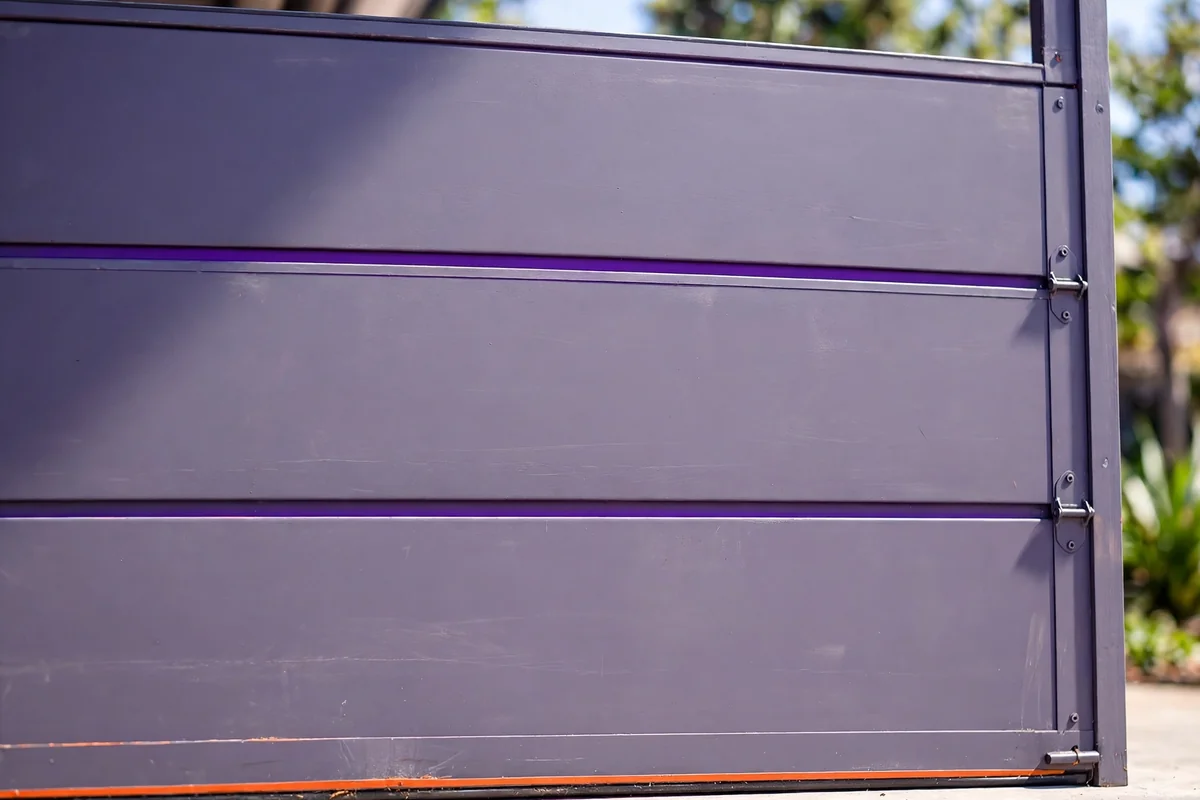
Steel is the default garage door material in the United States, and the numbers show why. It holds over 80% of home garage door sales (GarageDoorLocator, 2026; ICanFixItGarage, 8 October 2026), it comes in single, double and triple layers, and it takes paint, insulation and windows well. A triple-layer steel door has steel on both faces with insulation in the middle, so it is stronger, quieter and warmer than a single-layer door.
Steel cost and lifespan
A steel door costs $650 to $3,200 per door, installed (Angi, 21 September 2026). It lasts 15 to 30 years (Angi, 10 April 2026): a single-layer door lasts 15 to 20 years, while a triple-layer door lasts 25 to 30 years. That spread is the main thing to check on a quote, because the cheapest steel door and the best steel door are not the same product. Price your exact size with our Garage Door Cost Calculator.
- Cost: $650 to $3,200 per door, installed (Angi, 21 September 2026).
- Lifespan: 15 to 30 years; single-layer 15 to 20 years, triple-layer 25 to 30 years (Angi, 10 April 2026).
- Best value: triple-layer insulated steel costs more up front and lasts longest.
- Watch for: thin single-layer steel dents and can rust where paint chips.
Steel upkeep and look
Steel needs the least upkeep of the five materials. Wash it now and then, touch up paint chips before rust starts, and keep the moving parts oiled. It suits almost any house style, from plain raised panels to carriage-house looks with overlays, and it takes insulation well. Read our garage door R-value guide before you pick a layer, because insulation is what makes a steel door warm and quiet.
- Upkeep: wash, touch up paint chips, oil hinges and rollers.
- Look: raised panel, flush panel, carriage-house and wood-look finishes.
- Strength: strong for its weight, and triple-layer doors resist dents best.
- Weak spot: rust starts where paint is chipped or scratched and left bare.
2. Wood Garage Doors
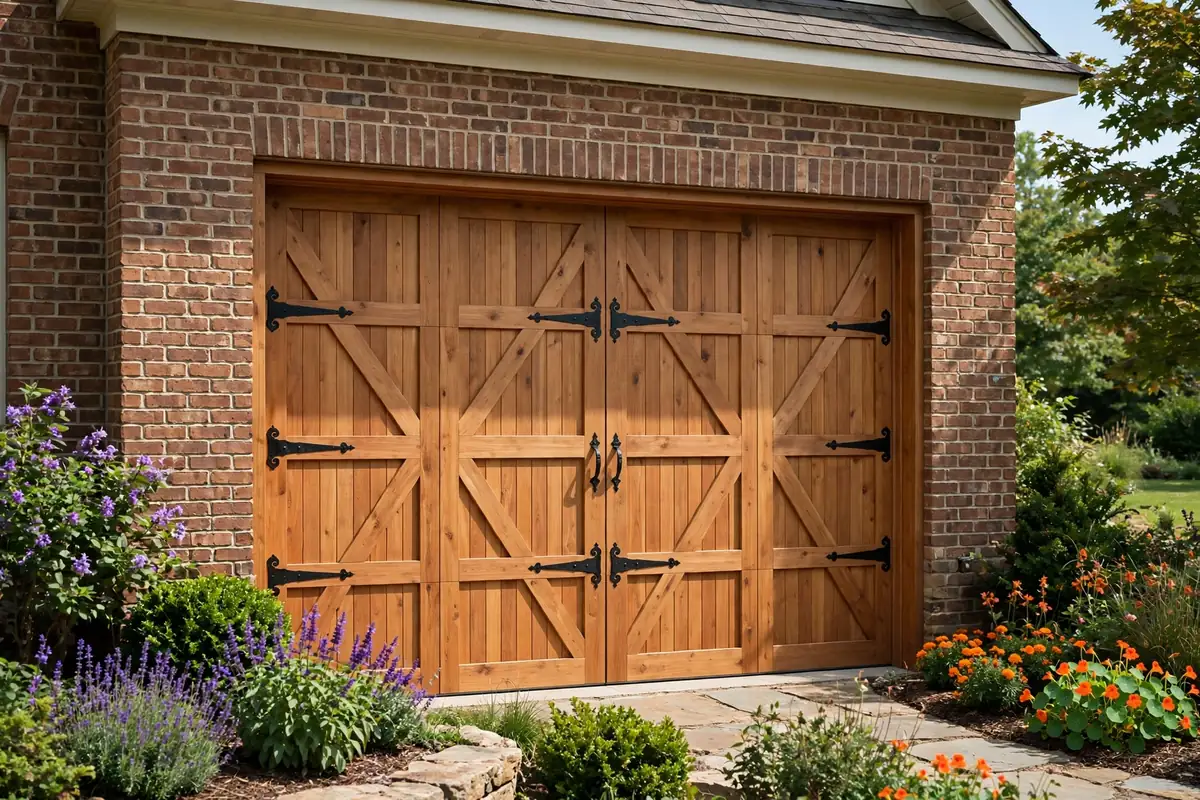
Wood is the oldest garage door material, and still the one buyers pick for looks. A real wood door has grain, warmth and weight that no other material copies exactly, and it suits farmhouse, craftsman and carriage-house homes. The trade-off is plain: wood costs more, weighs more, and needs more care than steel. Wood composite, made from wood fibres pressed into panels, costs less and needs less care than solid wood, but it does not last as long.
Wood cost and lifespan
A wood door costs $900 to $4,500 per door, installed (Angi, 21 September 2026). Solid wood lasts 20 to 30 years, while wood composite lasts 15 to 20 years (Angi, 10 April 2026). The top end of the price range is for large custom doors in cedar or other fine woods, with windows and hand finish. Ask which wood the quote names, because the species and the build change both the price and the life.
- Cost: $900 to $4,500 per door, installed (Angi, 21 September 2026).
- Lifespan: solid wood 20 to 30 years; wood composite 15 to 20 years (Angi, 10 April 2026).
- Custom work: large or hand-finished wood doors sit at the high end of the range.
- Watch for: a quote that says only “wood” with no species or build named.
Wood upkeep and look
Wood needs regular sealing or painting, or it will warp, crack and rot. How often depends on sun and rain where you live, so ask the installer what care the exact door needs in your area. Wood is also heavy, so the springs and opener must be sized for it. Check the weight first with our Garage Door Weight Calculator before you price springs or an opener.
- Upkeep: seal or paint on a regular cycle, and fix chips and cracks fast.
- Look: real grain, warm tones, carriage-house and custom panel designs.
- Weak spots: rot where water sits, warp where sun hits one side, cracks in dry air.
- Weight: heavy, so springs and opener must match the door, not just the size.
3. Aluminium Garage Doors
Aluminium is the light metal choice. It does not rust the way steel can, it weighs less, and it is the frame used for most full-view glass doors. That light weight makes it a good pick where a heavy door would strain an old opener, and where damp air is a daily fact. The trade-off is strength: aluminium dents more easily than steel, and a dented panel is hard to hide.
Aluminium cost and lifespan
An aluminium door costs $600 to $2,900 per door, installed (Angi, 21 September 2026). It lasts 15 to 25 years (Angi, 10 April 2026). The low starting price makes it look like the cheapest door, but the top end is close to steel, so compare the same size, layer and finish before you pick on price alone.
- Cost: $600 to $2,900 per door, installed (Angi, 21 September 2026).
- Lifespan: 15 to 25 years (Angi, 10 April 2026).
- Best value: a plain aluminium door where damp air, not dents, is the main risk.
- Watch for: thin aluminium dents from a bike, a ball or a car bumper.
Aluminium upkeep and look
Aluminium needs little upkeep beyond a wash and a check for dents. It takes paint well and suits modern homes with clean lines, and it pairs with glass panels for a full-view door. It is not the best pick where the door will take hard knocks, such as a garage used as a workshop or a play area, because dents show on its flat face.
- Upkeep: wash now and then, touch up paint, check for dents.
- Look: clean modern lines, anodised or painted finishes, glass panel options.
- Strength: light and rust-resistant, but softer than steel.
- Weak spot: dents show easily and are hard to smooth out.
4. Fibreglass Garage Doors
Fibreglass is a moulded skin over a frame, and it is not the same product as a glass door. The skin is shaped to look like wood grain or smooth panels, and the door is light, so it puts less strain on springs and openers. It was made for places where steel rusts and wood rots, and it holds up well in salt air. It can crack if hit hard, and it can fade in strong sun, so the finish matters.
Fibreglass cost and lifespan
A fibreglass door costs $800 to $2,700 per door, installed (Angi, 21 September 2026). It lasts 20 to 25 years (Angi, 10 April 2026). That puts it in the middle on price and near the top on life, which is why it suits buyers who want a wood look without wood upkeep, and who live near the coast.
- Cost: $800 to $2,700 per door, installed (Angi, 21 September 2026).
- Lifespan: 20 to 25 years (Angi, 10 April 2026).
- Best value: a wood-look door in salt air, where steel would rust.
- Watch for: cracks from a hard knock, and fade where sun is strong.
Fibreglass upkeep and look
Fibreglass needs little upkeep: wash it, check the finish, and keep the moving parts oiled. It does not rust, rot or warp the way steel and wood can, and its moulded grain can pass for wood from the street. It is a good pick for a home near the sea, or for a buyer who wants the wood look but will not seal a real wood door every year or two.
- Upkeep: wash, check the finish, oil hinges and rollers.
- Look: moulded wood grain or smooth panels, in many colours.
- Strength: light, rust-proof and rot-proof, but can crack on a hard hit.
- Weak spot: sun fade on cheap finishes, and cracks that are hard to patch well.
5. Glass Garage Doors (Full-View)
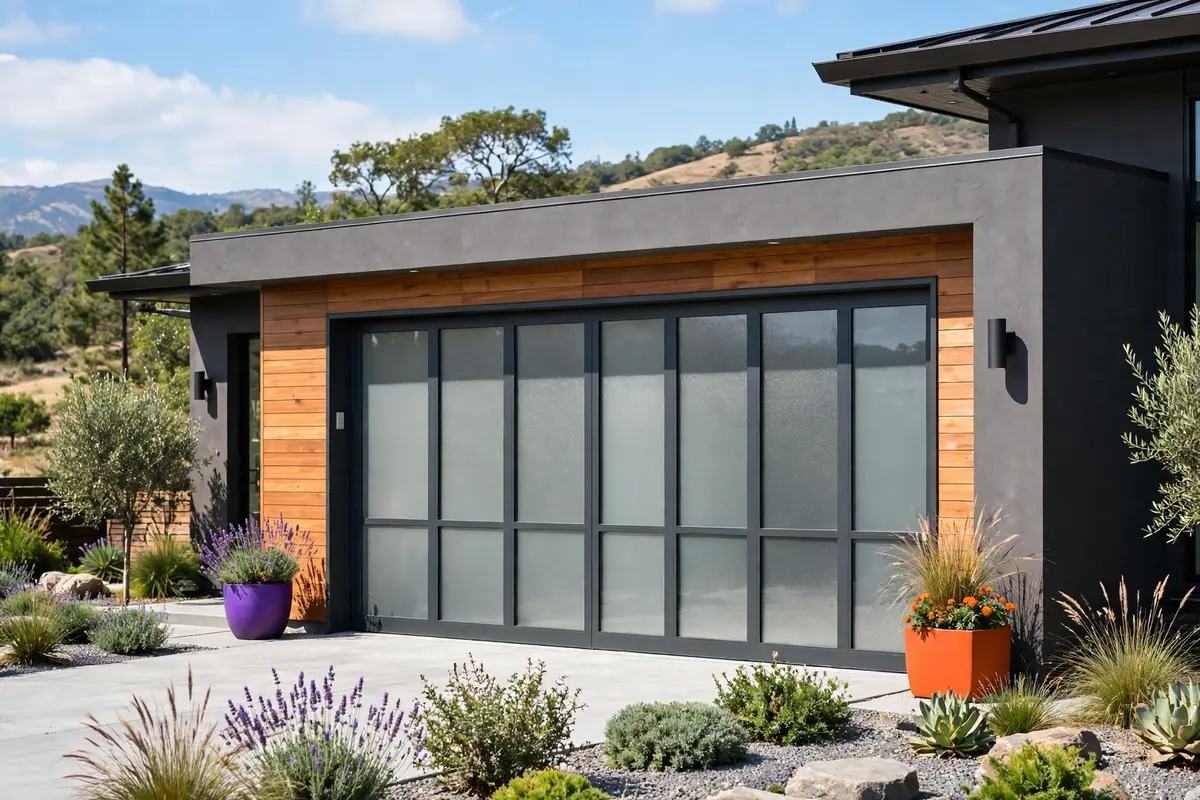
A full-view glass door is a wall of glass panels set in an aluminium frame, not a solid door with windows. It lets in the most light of any garage door, it opens a garage to a garden or a view, and it gives a modern home a clean, open front. It also gives the least privacy of any door, and it costs far more than steel, wood, aluminium or fibreglass. Frosted or tinted glass cuts the view in and the glare, but it does not make the door private at night when the lights are on.
Glass cost and lifespan
A glass door costs $2,500 to $8,000 per door, installed (Angi, 21 September 2026). Angi gives no lifespan for glass doors in its update of 10 April 2026, so this guide gives none. The price moves with the size, the number of glass panels, the glass type, and the frame finish. Get the glass type and the frame in writing on the quote, because both change the price by a large amount.
- Cost: $2,500 to $8,000 per door, installed (Angi, 21 September 2026).
- Lifespan: not listed by Angi, 10 April 2026, so no figure is given here.
- Best value: a modern home where light and looks are the point of the door.
- Watch for: a quote that does not name the glass type or the frame finish.
Glass upkeep and look
Glass needs regular cleaning, inside and out, or it shows every mark. The aluminium frame needs little care, and the glass itself will not rust or rot. No verified R-value for a full-view glass door was found in the sources used here, so this guide states none. Ask the maker for the tested figure for the exact door you are buying, and do not take a round number from a sales sheet as a test result.
- Upkeep: clean the glass often, check seals and frame joints.
- Look: full light, modern lines, frosted or tinted glass for less glare.
- Privacy: the least private door; frosted glass helps in the day, not at night with lights on.
- Heat: no verified R-value is given here, so ask the maker for the tested figure.
6. Which Material Fits Your Climate?
Climate should come before looks, because the wrong material in the wrong place will cost you in upkeep or in early wear. Cold and snow punish weak insulation, salt air eats steel, damp air feeds rot, and strong sun fades cheap finishes. The table below is a short guide, and the three sections under it give the detail. How long each material lasts in real use is covered in our how long does a new garage door last guide.
| Climate | Best pick | Watch out for |
|---|---|---|
| Cold and snow | Triple-layer insulated steel | Thin single-layer doors lose heat fast |
| Coastal and humid | Fibreglass or aluminium | Steel rusts, wood rots where salt air sits |
| Hot sun | Steel or fibreglass with a good finish | Cheap finishes fade, wood dries and cracks |
Cold and snow
Cold is where insulation matters most, and steel wins here when it is triple-layer and insulated. A single-layer door, in any material, will feel cold to the touch and let heat out of an attached garage. Wood holds heat well, but it needs sealing against snow melt and road salt, and it is heavy in the cold when springs stiffen.
- Pick triple-layer insulated steel for an attached garage in a cold place.
- Avoid thin single-layer doors where winters are long and hard.
- Seal wood well, or snow melt and salt will find the bare spots.
- Keep the bottom seal in good shape, or snow and draughts get in under the door.
Coastal and humid
Salt air is hard on steel and wood, and damp air feeds rot in wood that is not sealed. Fibreglass and aluminium hold up best here, because neither rusts or rots. Glass in an aluminium frame also suits the coast, as long as the frame and hardware are made for salt air. Steel can still work near the coast if the paint is kept sound, but it needs more care than inland.
- Pick fibreglass or aluminium where salt air is a daily fact.
- Avoid bare or chipped steel near the sea, because rust starts fast.
- Avoid unsealed wood in damp air, because rot follows.
- Rinse salt off the door and hardware now and then.
Hot sun
Strong sun fades paint and dries out wood. Steel with a good factory finish holds colour well, and fibreglass holds up if the finish is made for sun. Wood needs the most care in hot sun, because it dries, cracks and fades fastest. Dark colours soak up more heat than light colours, so a light finish can help a door last longer in a hot place.
- Pick steel or fibreglass with a sun-proof factory finish.
- Avoid dark colours on a door that faces the sun all day, if you can.
- Seal wood often in hot sun, or it will dry and crack.
- Check the finish each year, and touch it up before it peels.
7. Which Material Should You Choose for Your Home?
Choose in order, not by looks first. Budget sets the range, climate narrows it, upkeep sets what you will really live with, and only then does the look pick the winner. The steps below run in that order, and the quick picks under them give a short answer for the most common homes.
- Set your budget, and check the Angi ranges above for the size you need.
- Match the material to your climate: cold, coastal, humid or hot sun.
- Be honest about upkeep: if you will not seal wood, do not buy wood.
- Pick the look that fits the house, not just the door.
- Price the exact door with a calculator, then get a written quote from a local pro.
- Check the quote names the material, layers, insulation, glass type and finish.
Quick picks by home
Most buyers fall into one of these four groups. If you do not, go back to the steps above and work through them in order, because the right pick is the one that fits your budget, climate and upkeep, not the one that looks best in a photo.
- Most homes, tight budget: triple-layer insulated steel.
- Classic or farmhouse home, and you will keep up the sealing: solid wood.
- Near the sea, or damp air all year: fibreglass or aluminium.
- Modern home, light and view matter most, budget is high: full-view glass.
What to ask before you buy
Ask these questions before you sign, and get the answers in writing on the quote. A good installer will answer them all without fuss, and a vague answer is a sign to get a second quote.
- What material, layers and insulation does this price cover?
- What is the lifespan the maker states for this exact door?
- What upkeep does it need, and how often?
- What warranty covers the door, the finish and the fitting?
- Does the price cover removal of the old door, and the opener if it needs changing?
Video: Steel vs Wood vs Aluminium vs Glass Garage Doors — Which Material to Choose (Coming Soon)
A 60 to 120 second video for this guide is coming soon. It will cover steel, wood, aluminium, fibreglass and full-view glass costs, lifespans, upkeep, climate fit, and how to choose the best garage door material for your home. No video is embedded here yet.
Garage Door Hub connects homeowners with trusted local garage door pros. Need a repair? Need a replacement? Start here. First, find out what it should cost. Then, price your exact job with our free calculator. Next, find a pro near you. Fast. No jargon. No guesswork. No surprise bills. Just clear prices, honest guides, and a local pro you can call today.
Steel vs Wood vs Aluminium vs Glass Garage Doors — Frequently Asked Questions
What is the best garage door material?
Steel is the best garage door material for most homes. It costs $650 to $3,200 per door, installed, lasts 15 to 30 years, and needs the least upkeep (Angi, 21 September 2026; Angi, 10 April 2026).
How long does a steel garage door last vs wood?
Steel lasts 15 to 30 years, with triple-layer steel lasting 25 to 30 years. Solid wood lasts 20 to 30 years, and wood composite lasts 15 to 20 years (Angi, 10 April 2026).
Is fibreglass better than steel for a garage door?
Fibreglass is better than steel near the sea, because it does not rust and it can look like wood. Steel is better for most other homes, because it is stronger, costs less at the low end, and lasts up to 30 years.
What is the best garage door material for coastal homes?
Fibreglass or aluminium is the best garage door material for coastal homes, because neither rusts or rots in salt air. Steel can work near the coast, but it needs its paint kept sound.
How much does a glass garage door cost?
A glass garage door costs $2,500 to $8,000 per door, installed (Angi, 21 September 2026). The price moves with size, glass type and frame finish.
Does a glass garage door keep heat in?
No verified R-value for a full-view glass door was found in the sources used here, so this guide gives none. Ask the maker for the tested figure for the exact door you are buying.