

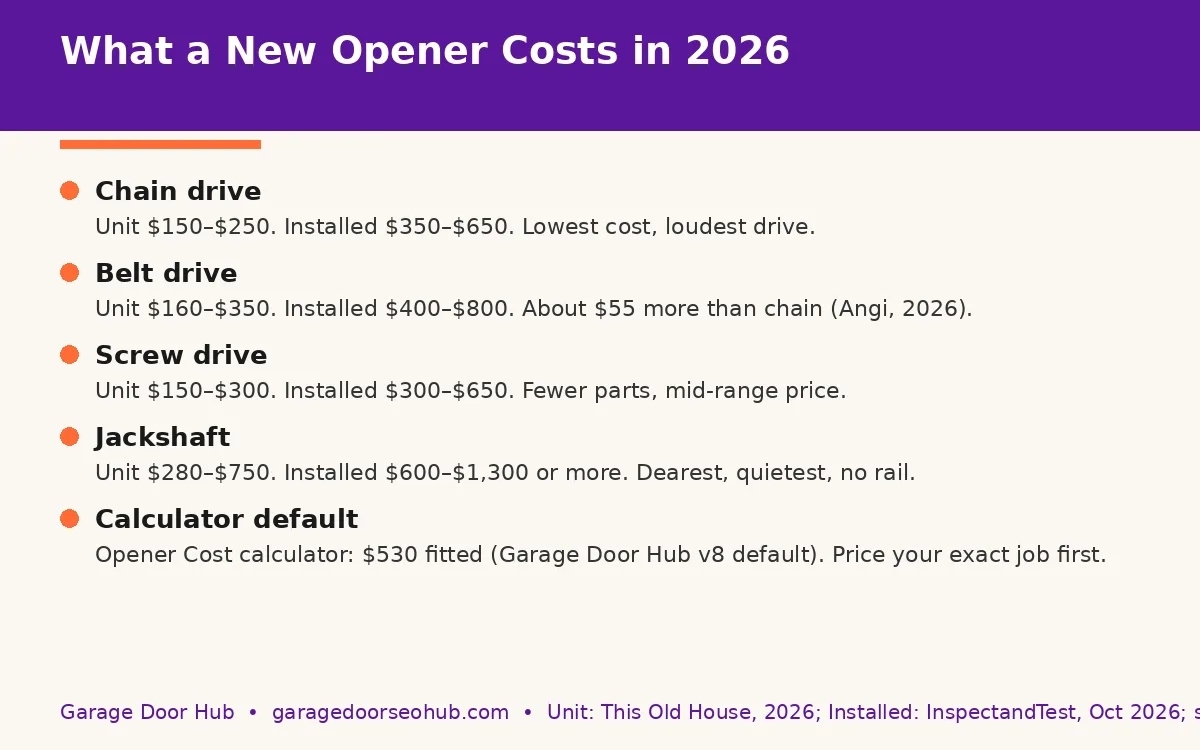
This Old House puts a chain drive at $150–$250 and a belt drive at $160–$350. Angi says the belt costs about $55 more.
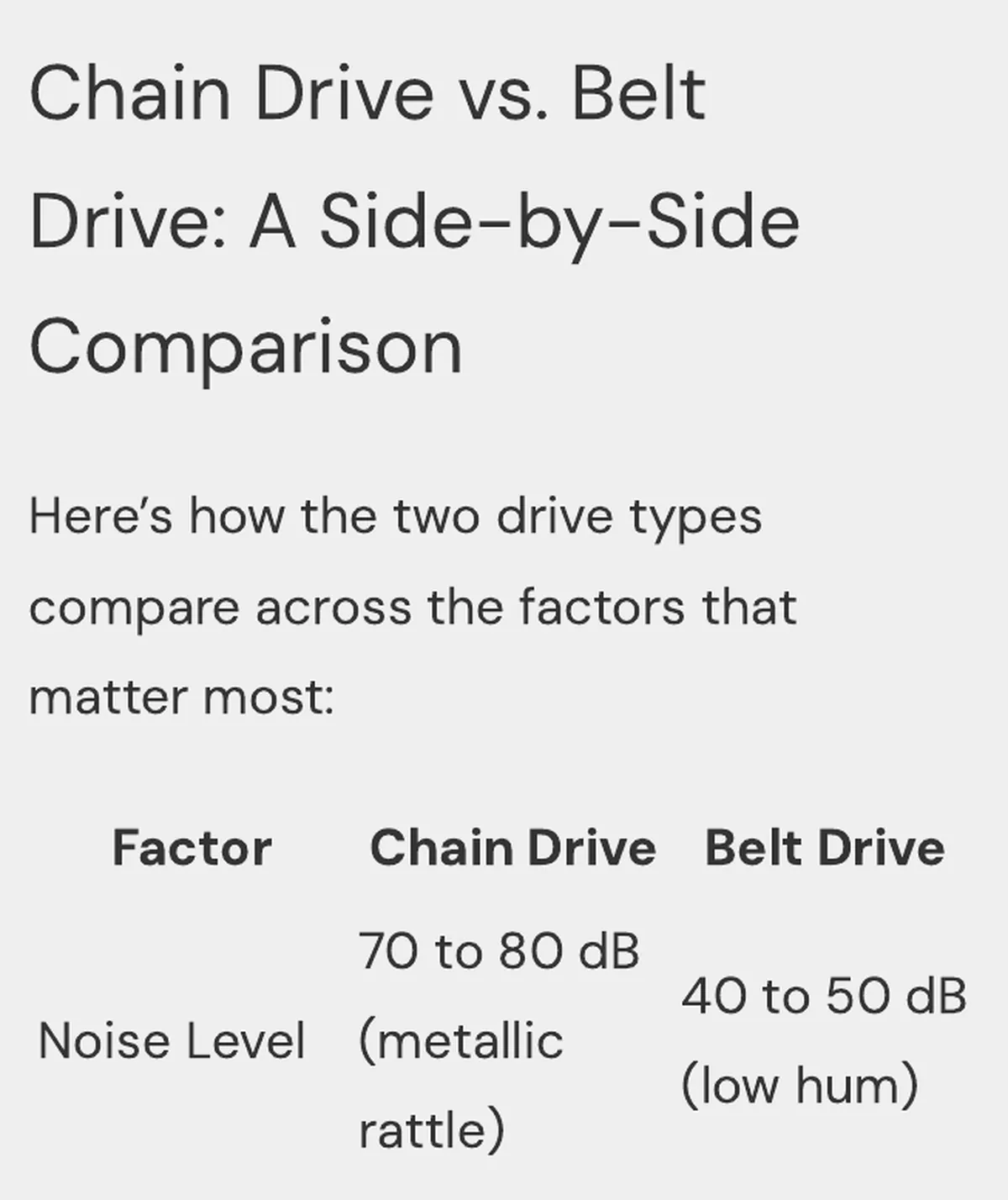
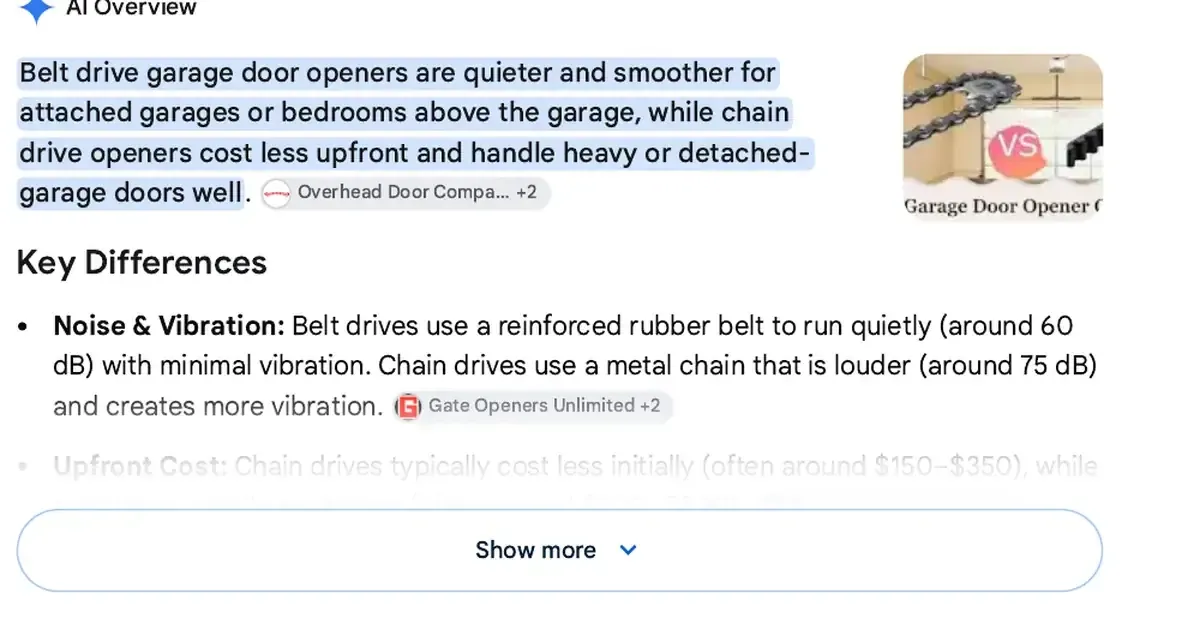
Overhead Door of Wilmington puts chain noise at 70–80 dB and belt noise at 40–50 dB. That gap is a vacuum next to a fridge hum.
So the choice is not which drive is best in theory. It is which drive fits your garage, your door, and your sleep.
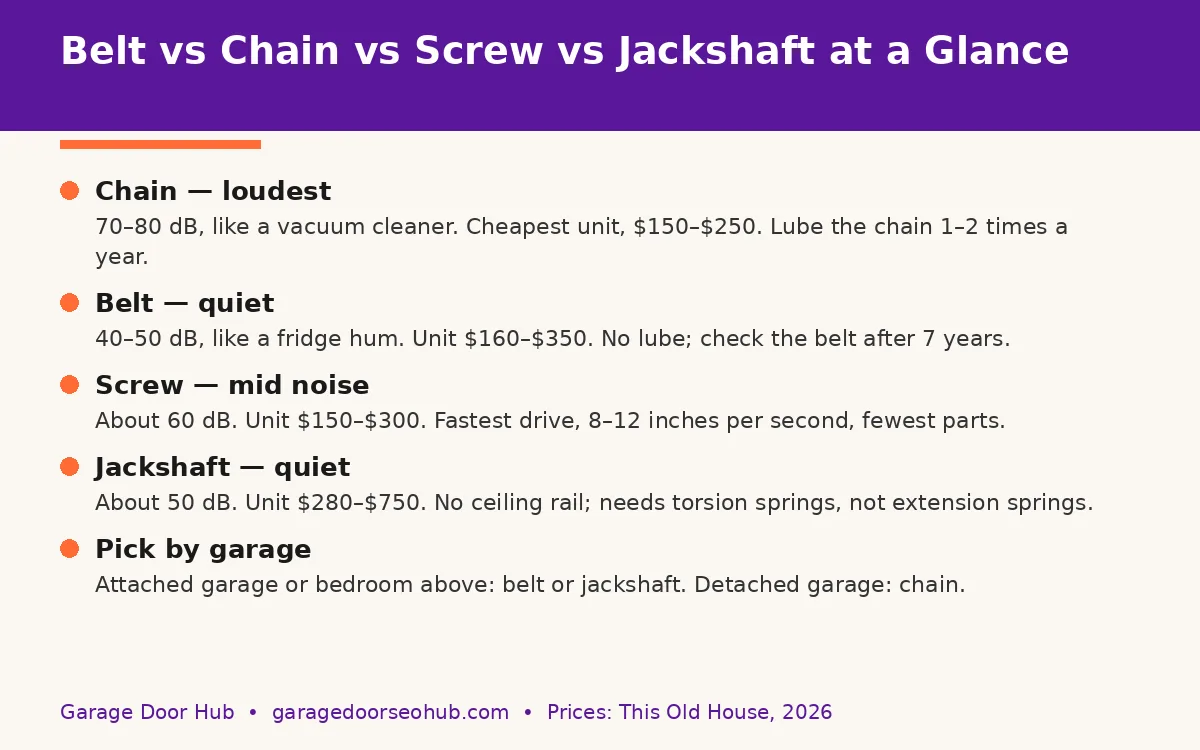
Belt vs chain garage door opener: pick belt if your garage is attached or a bedroom sits above. Pick chain if your garage is detached. Chain units cost $150–$250 and belt units cost $160–$350 (This Old House, 2026). Belt runs at 40–50 dB, chain at 70–80 dB (Overhead Door, 2026). Screw fits cold garages well; jackshaft fits low ceilings best.
Garage Door Hub connects you with a trusted local pro. Need a repair? Need a replacement? Start here. First, find out what it should cost.
Use the Opener Cost Calculator below. Enter your drive type and door size first. It gives you a fitted price in seconds.
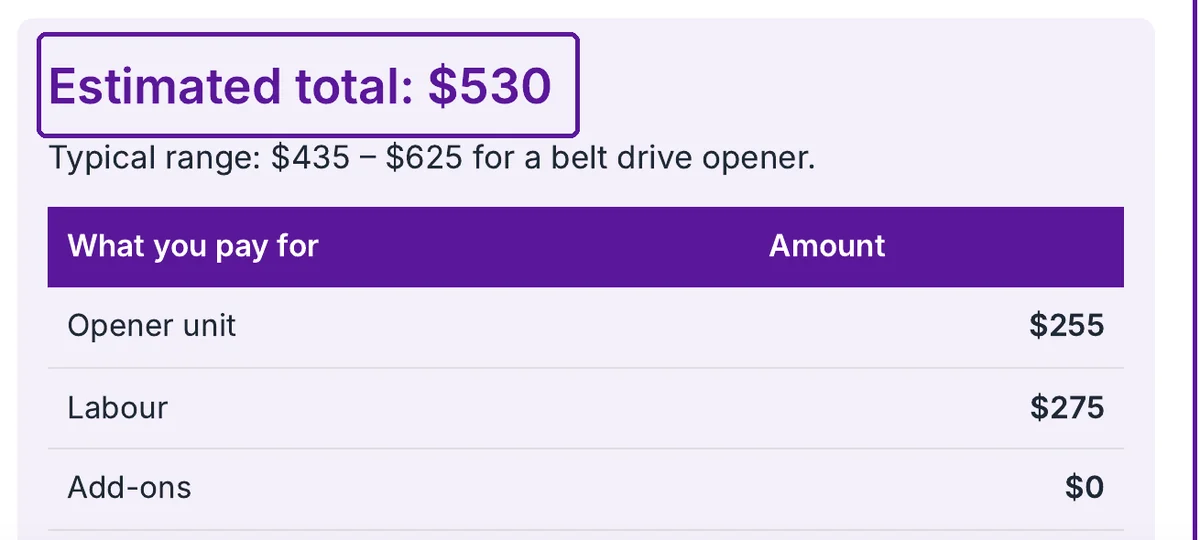
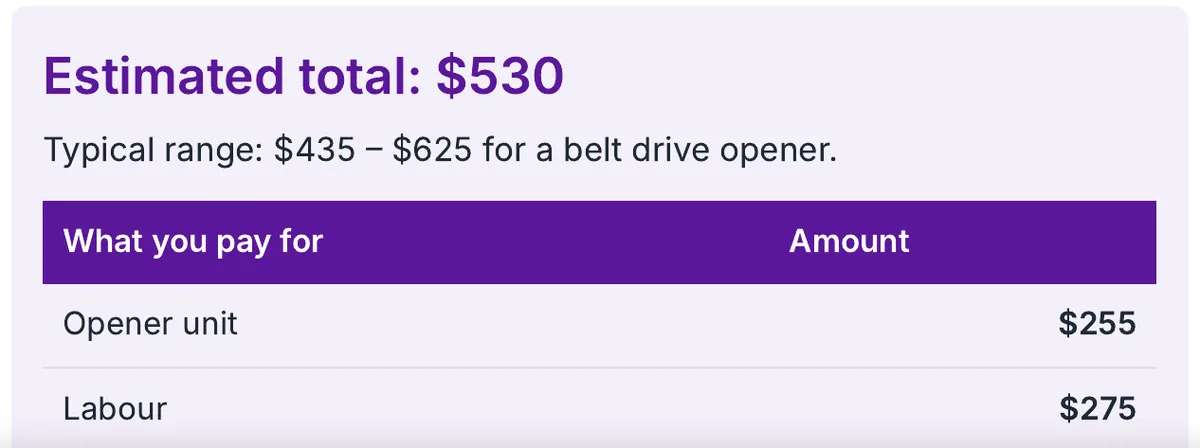
The live calculator defaults to $530 for a fitted opener. Change the drive type first, then read the price again.
Open the Opener Cost Calculator — keep its answer open. You will use it in every step below.
Download the 1-page printable chart (PDF) — the Belt vs Chain Drive Picker from this guide, free to print.
If you do not know your door weight, size it first with the Opener Size Calculator. Weight decides the motor, and the motor decides the price.
- Enter your drive type: chain, belt, screw, or jackshaft.
- Enter your door size and weight if you know it.
- Use the Opener Size Calculator if you do not know it.
- Note the price, then read the key takeaways and Section 1.
Key takeaways
- Attached garage or bedroom above: belt or jackshaft.
- Detached garage and tight budget: chain.
- Screw is fastest, but cold weather can slow it.
- Jackshaft needs torsion springs and a sectional door.
- Price the job first: the calculator defaults to $530 fitted.
Three steps: garage, drive, price.
- Check your garage: attached, detached, bedroom above, or low ceiling.
- Match the drive to that garage in Section 1, then check the motor size.
- Price the job with the Opener Cost Calculator, then read Section 6.
Table of Contents
- 1. Belt vs Chain Garage Door Opener at a Glance
- 2. Chain Drive Garage Door Opener
- 3. Belt Drive Garage Door Opener
- 4. Screw Drive and Jackshaft Garage Door Openers
- 5. Which Drive Fits Your Garage?
- 6. What It Costs Installed
- Video: Belt vs Chain Garage Door Opener (Plus Screw and Jackshaft) (Coming Soon)
- FAQ
1. Belt vs Chain Garage Door Opener at a Glance
This table puts all four drives side by side. Noise, cost, upkeep, and best fit sit in one place.
The four drive types in one table
Each drive moves the door in a different way. Chain pulls with metal links, belt pulls with a rubber belt, screw turns a rod, and jackshaft turns the shaft.
| Drive | Noise | Unit cost | Maintenance | Best for |
|---|---|---|---|---|
| Chain | More audible, 70–80 dB | $150–$250 | Lube 1–2 times a year | Detached garage, tight budget |
| Belt | Quiet, 40–50 dB | $160–$350 | No lube; check belt after 7 years | Attached garage, bedroom above |
| Screw | Mid, about 60 dB | $150–$300 | Grease the rod as the manual says | Cold garages, few parts |
| Jackshaft | Quiet, about 50 dB | $280–$750 | Little upkeep; check the shaft yearly | Low ceiling, heavy door |
Sources: This Old House, 2026 (unit costs); Overhead Door of Wilmington, 2026 (noise); A+ Science, 2026 (screw and jackshaft noise).
- Noise is the biggest gap: chain runs 70–80 dB, belt runs 40–50 dB.
- Cost is the second gap: belt costs about $55 more than chain (Angi, 2026).
- Upkeep is the third gap: chain needs lube, belt needs none.
- Fit decides it: match the drive to your garage, not to the price tag.
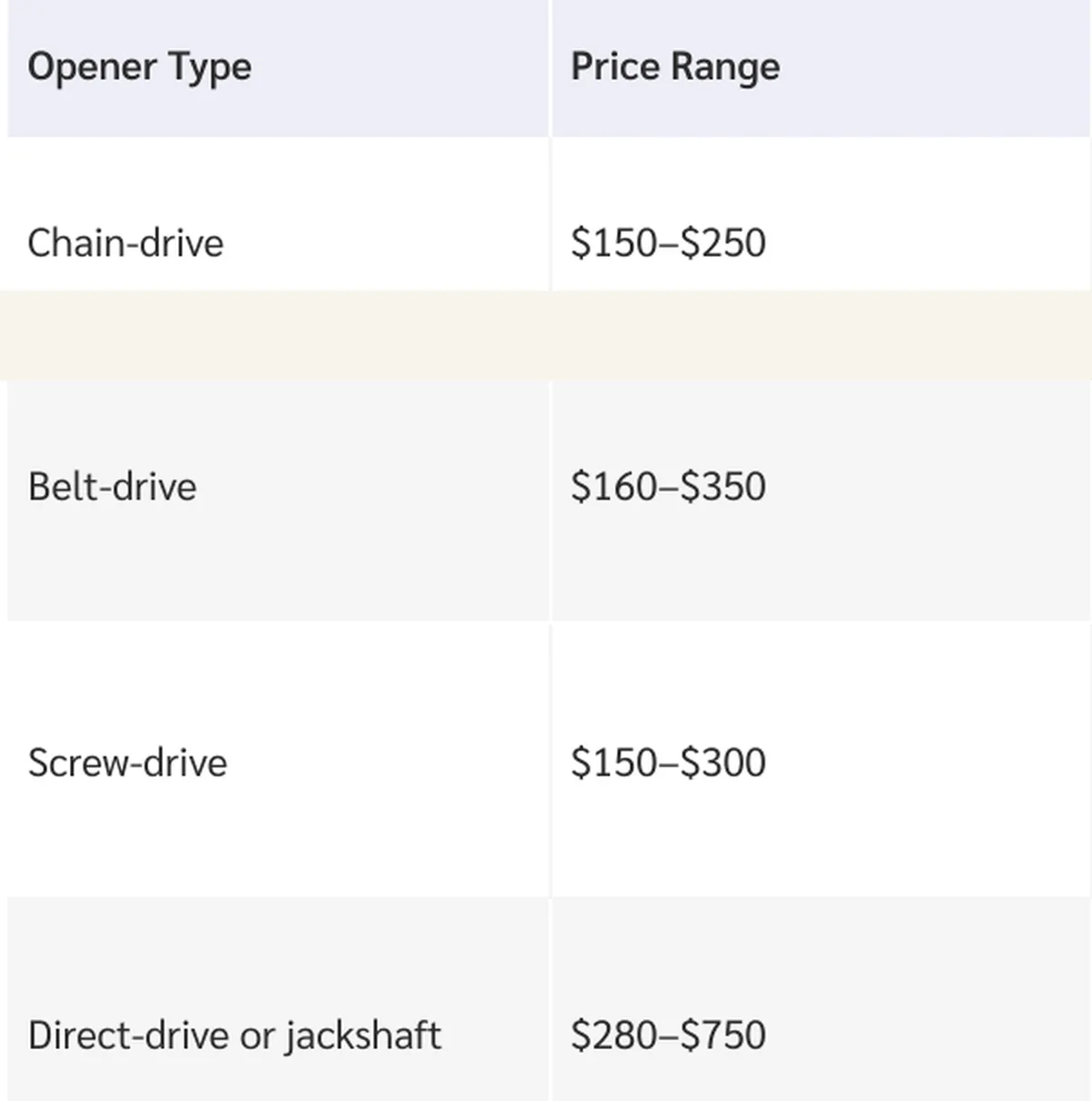
What the table means for your garage
Read the table from your garage, not from the price. A quiet drive in a detached garage buys nothing, and a louder drive under a bedroom costs sleep.
- Bedroom above the garage: belt or jackshaft, never chain.
- Detached garage: chain saves money and noise harms no one.
- Low ceiling or car lift: jackshaft frees the whole ceiling.
- Cold garage: screw can slow when grease thickens in winter.
- For motor size, smart features, and brands, see the complete openers guide.
Example: A family in Columbus had a bedroom above the garage. They picked a chain drive to save $55.
The noise woke the kids each morning, so the saving cost them sleep. So what: the dearer belt would have been quiet every day after.
2. Chain Drive Garage Door Opener
Chain is the oldest drive and still the most common. It is cheap and strong, but it runs louder than the rest. It suits garages where noise harms no one.
How a chain drive works
A metal chain loops around a motor sprocket and pulls a trolley along a ceiling rail. The trolley lifts the door, and the chain carries the load.
- Metal chain, sprocket, trolley, and rail: four parts do the work.
- The chain resists slip under heavy loads, so it lifts wood doors well.
- Parts are cheap and easy to find in any hardware store.
- The design is decades old, so most pros know it well.
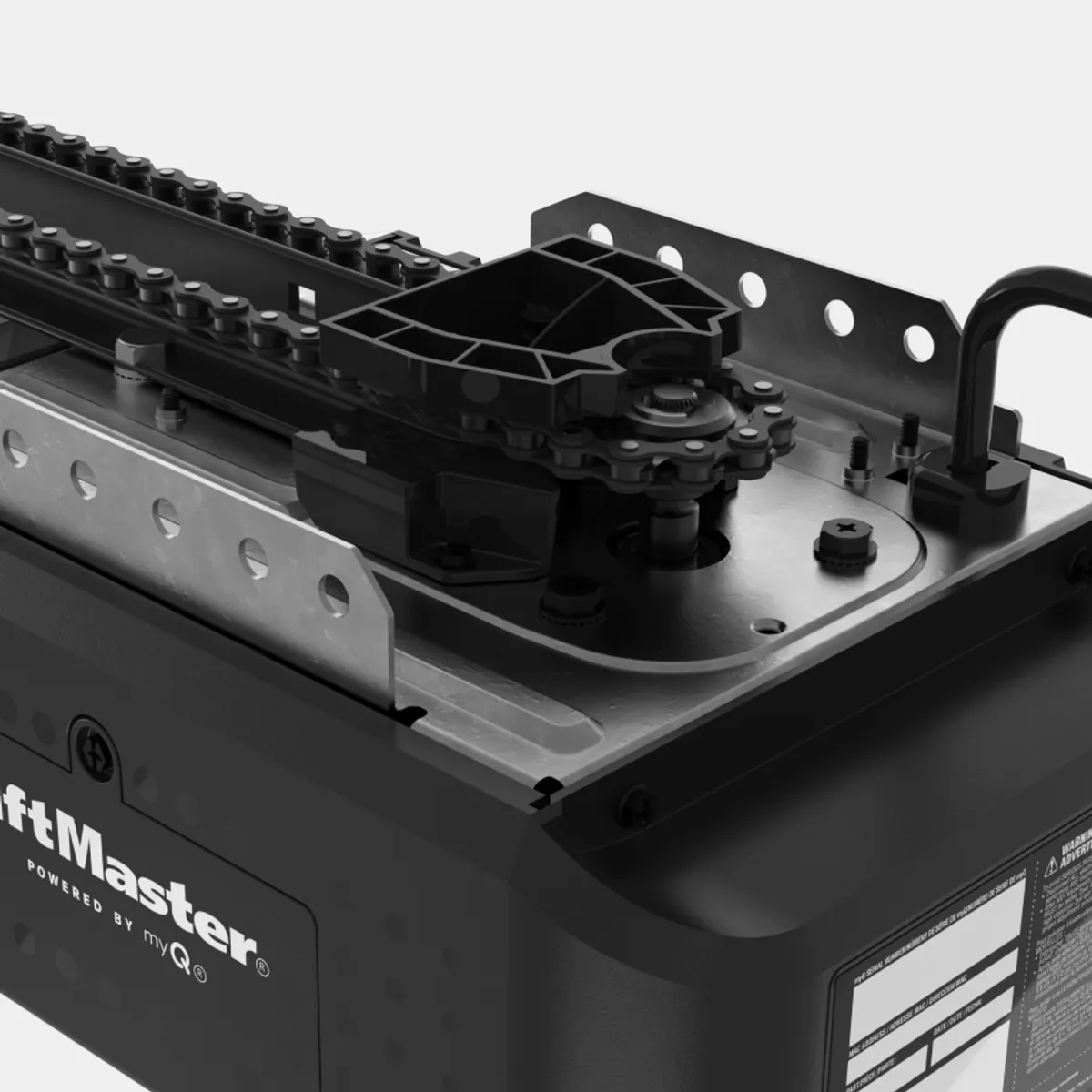
Chain drive noise — more audible than the rest
Chain is the most audible drive by a wide gap. Metal links on a metal sprocket rattle, and the rail carries that sound into the house.
- Noise runs 70–80 dB, like a vacuum cleaner (Overhead Door of Wilmington, 2026).
- Sound travels through joists, so a bedroom above hears every cycle.
- Lubrication quiets it a little, but it never makes it silent.
- If noise already bothers you, see the noisy garage door guide for the causes and fixes.

Chain drive cost and upkeep
Chain is the cheapest drive to buy and to fix. The trade is upkeep: the chain needs lube and tension checks, or it wears fast.
- Unit cost $150–$250, the lowest of the four (This Old House, 2026).
- Installed cost $350–$650 (InspectandTest, Oct 2026).
- Lube the chain 1–2 times a year with white lithium grease.
- Check tension each year: a sagging chain rattles and wears the sprocket.
- Lifespan is 10–15 years with care (Overhead Door of Wilmington, 2026).

Example: A workshop owner in Dayton picked a chain drive for his detached garage. The unit cost $190, and he fitted it himself.
Five years on it still lifts a heavy wood door each day. So what: chain is the right buy where noise does not matter.
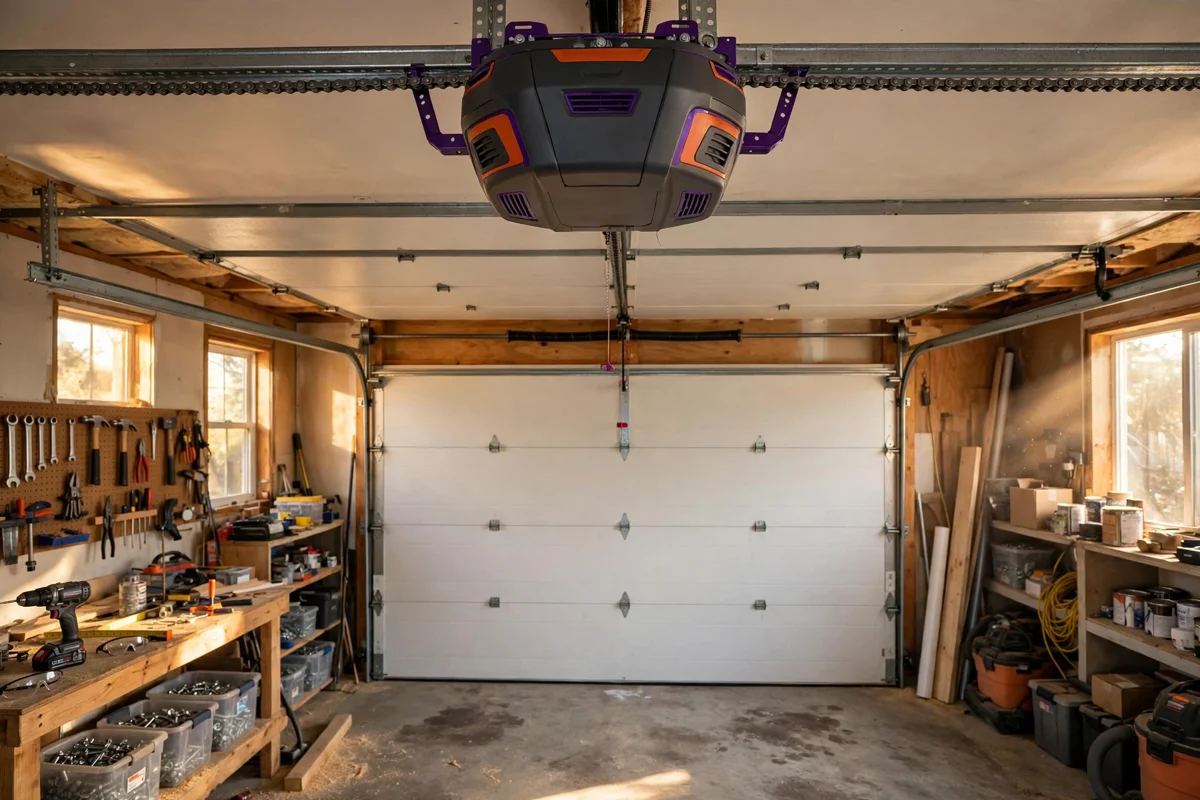
3. Belt Drive Garage Door Opener
Belt is the quiet pick for most homes. It costs a little more than chain, but it runs smooth and needs almost no upkeep.
How a belt drive works
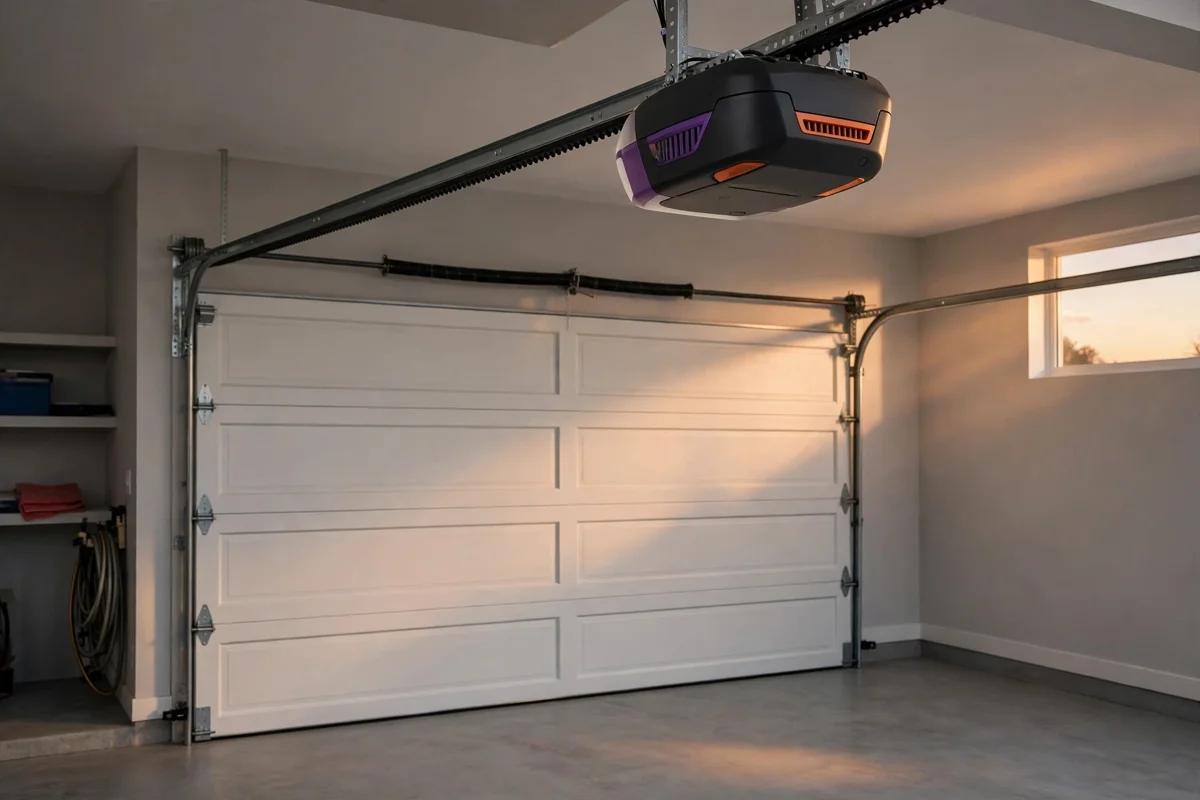
A steel-reinforced rubber belt runs around a pulley and pulls the trolley along the rail. The belt absorbs shake instead of passing it on.
- Belt, pulley, trolley, and rail: the belt replaces the chain.
- The belt flexes, so starts and stops feel smooth.
- Most belt openers use a DC motor with soft start and stop.
- The rail looks like a chain rail, but the drive inside is quiet.
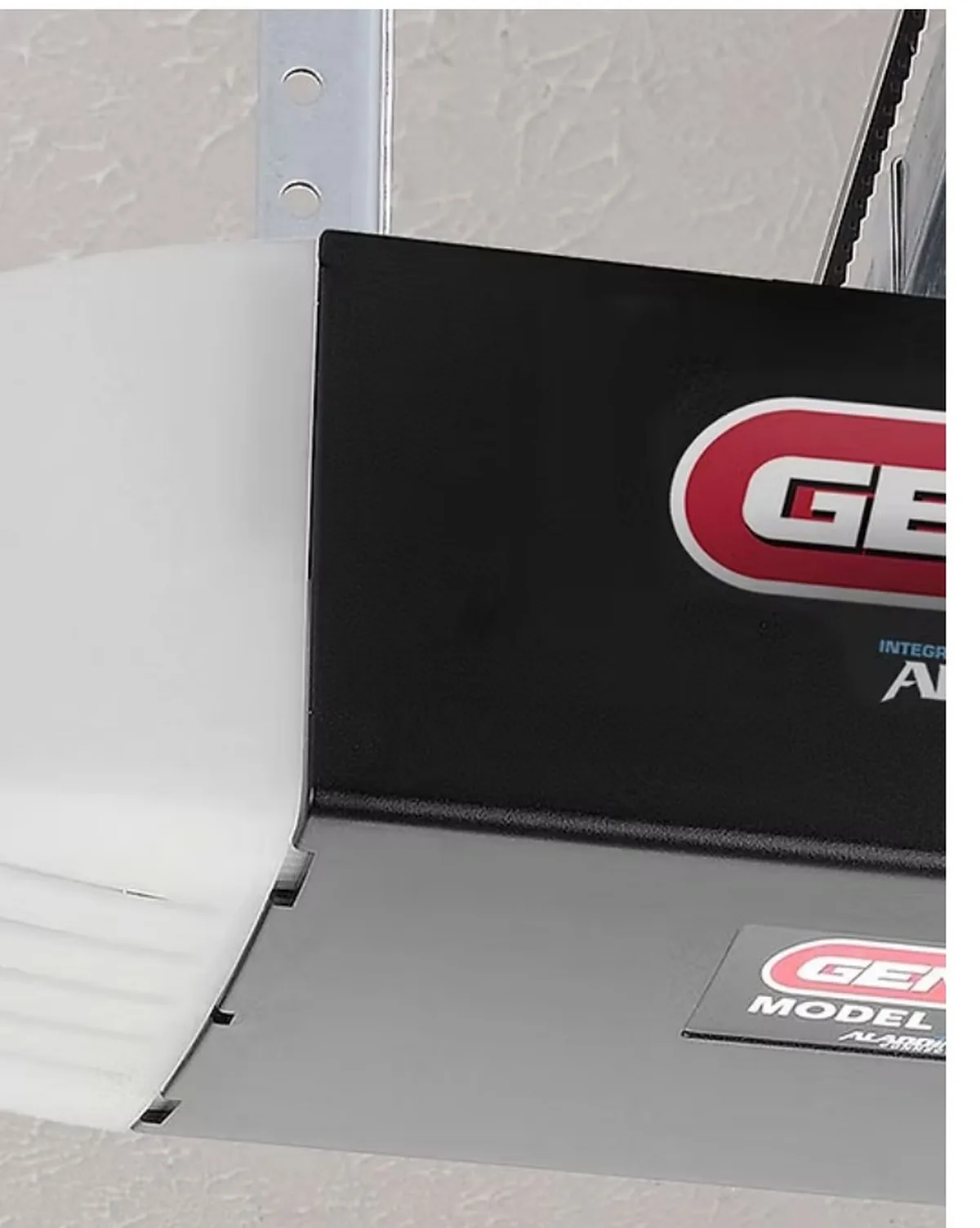
Belt drive noise — the quiet choice
Belt is the quietest rail drive you can buy. The rubber belt makes no metal sound, so rooms above the garage stay quiet.
- Noise runs 40–50 dB, like a fridge hum (Overhead Door of Wilmington, 2026).
- A bedroom above the garage hears little more than a soft whir.
- Rollers and hinges can still squeak, so lube those too.
- A worn belt can click: stop the opener and ask a pro to check it.
Belt drive cost and upkeep
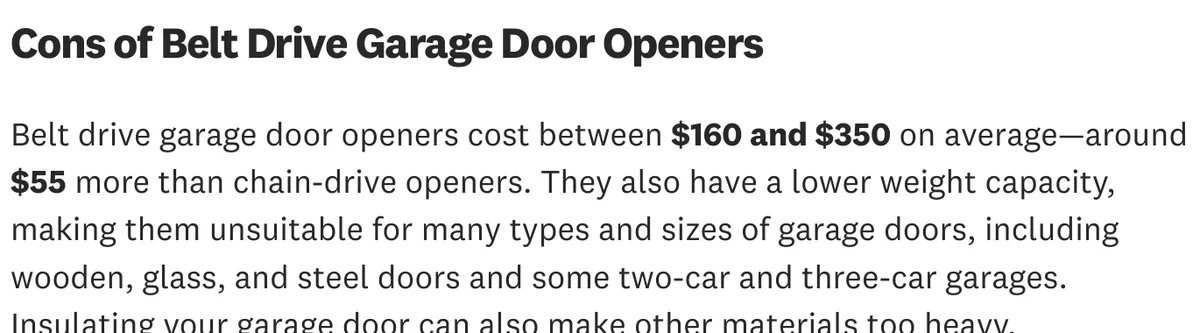
Belt costs more than chain up front, and the gap is small. Angi puts it at about $55 more, and the lower upkeep can pay that back.
- Unit cost $160–$350, about $55 more than chain (Angi, 2026).
- Installed cost $400–$800 (InspectandTest, Oct 2026).
- No lube on the belt: wipe the rail clean and check for wear.
- Check the belt after 7 years for cracks or stretch.
- Lifespan is 10–15 years with care (Overhead Door of Wilmington, 2026).
Example: A homeowner in Cincinnati swapped a chain drive for a belt drive. The belt unit cost $240, and fitting took one morning.
The bedroom above went quiet the same night. So what: $55 bought sleep every night after.
4. Screw Drive and Jackshaft Garage Door Openers
Screw and jackshaft suit special garages, not every home. Screw is fast with few parts, and jackshaft frees the ceiling.
Screw drive — fast, with few parts
A threaded steel rod turns, and a trolley rides its threads like a nut on a bolt. The rod sits inside an enclosed rail, so you see the rail, not the rod. Fewer parts mean fewer things can break.
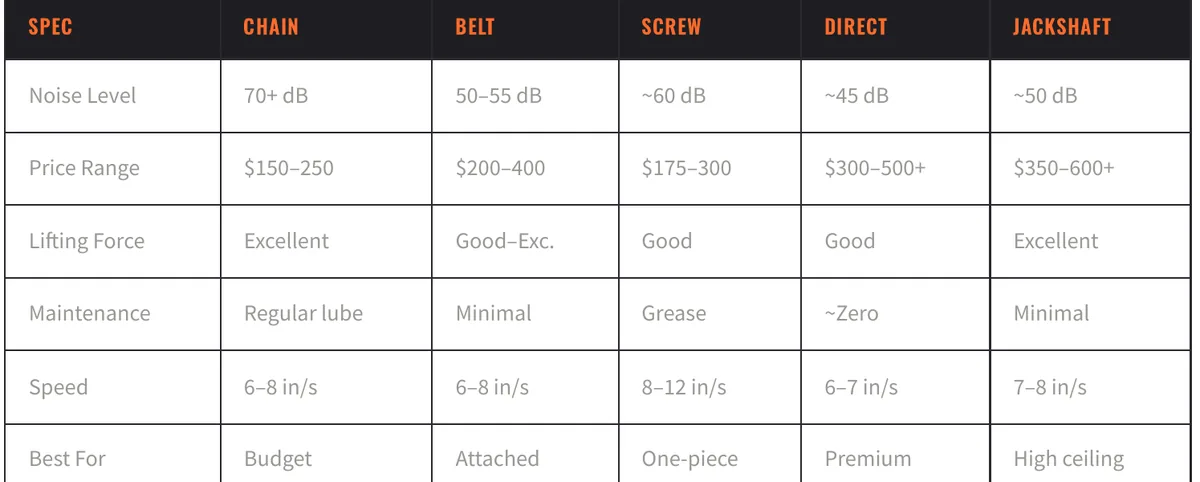
- Fastest drive: 8–12 inches per second (A+ Science, 2026).
- Noise is mid-range, about 60 dB (A+ Science, 2026).
- Unit cost $150–$300 (This Old House, 2026).
- Grease can thicken in cold, so it can slow in winter.
- Few makers sell screw drives now; Genie is the main one.
Jackshaft — no rail, quiet, and dear
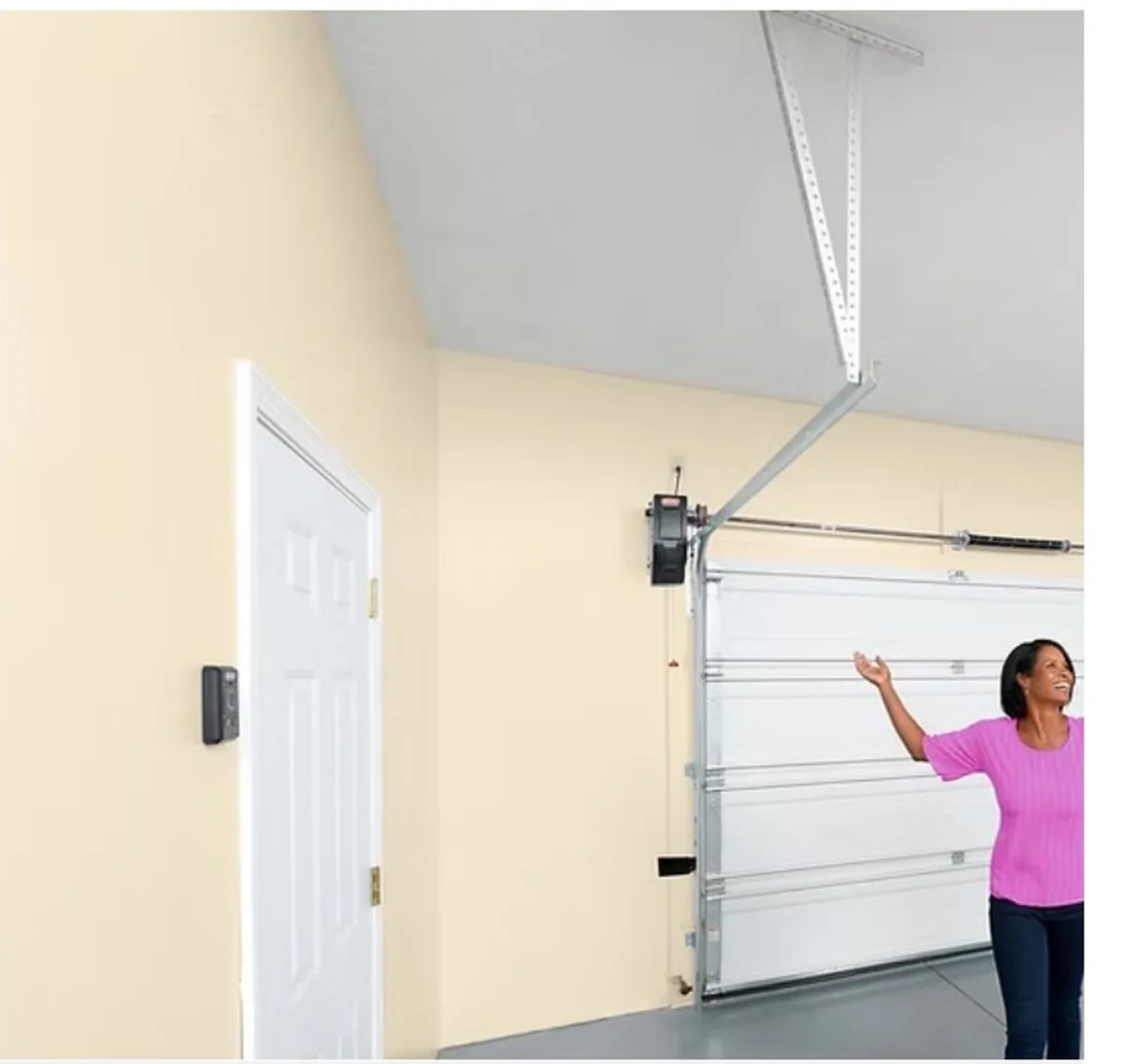
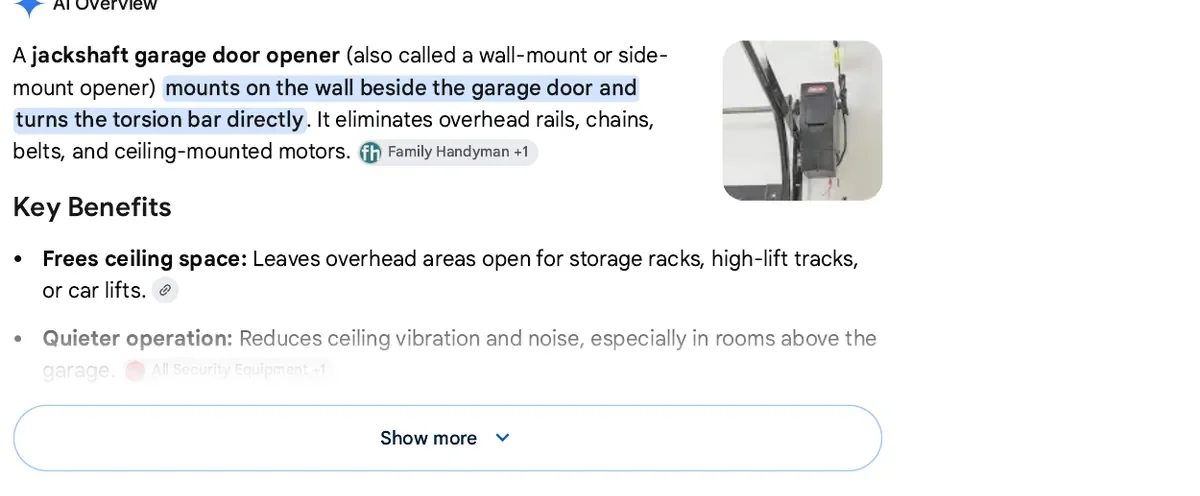
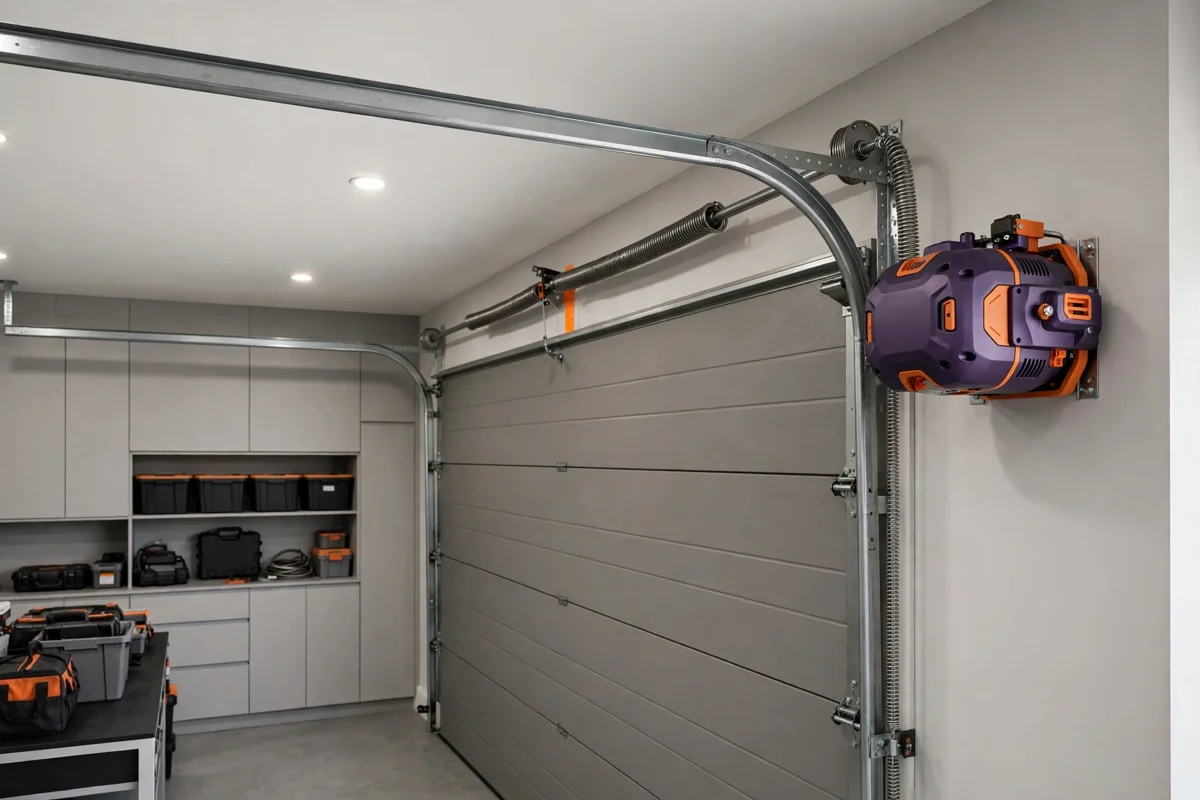
A jackshaft mounts on the wall and turns the torsion shaft straight. It has no rail, so the ceiling stays clear for storage or a car lift.
- Quiet, about 50 dB, and very smooth (A+ Science, 2026).
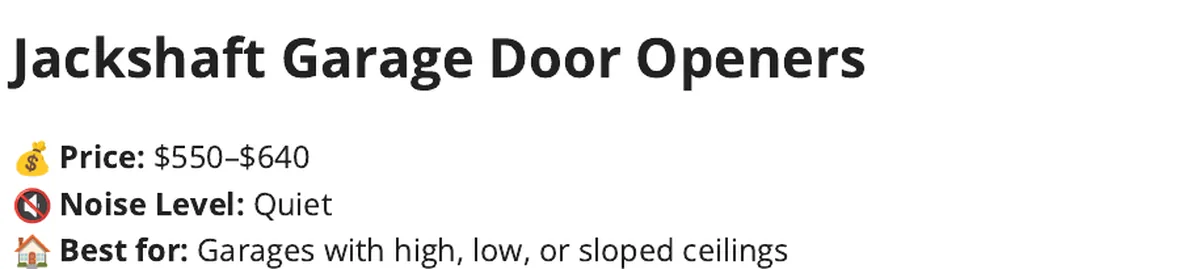
- Unit cost $280–$750 (This Old House, 2026); some units run $550–$640 (Today’s Homeowner, 2026).
- Installed cost $600–$1,300 or more (InspectandTest, Oct 2026).
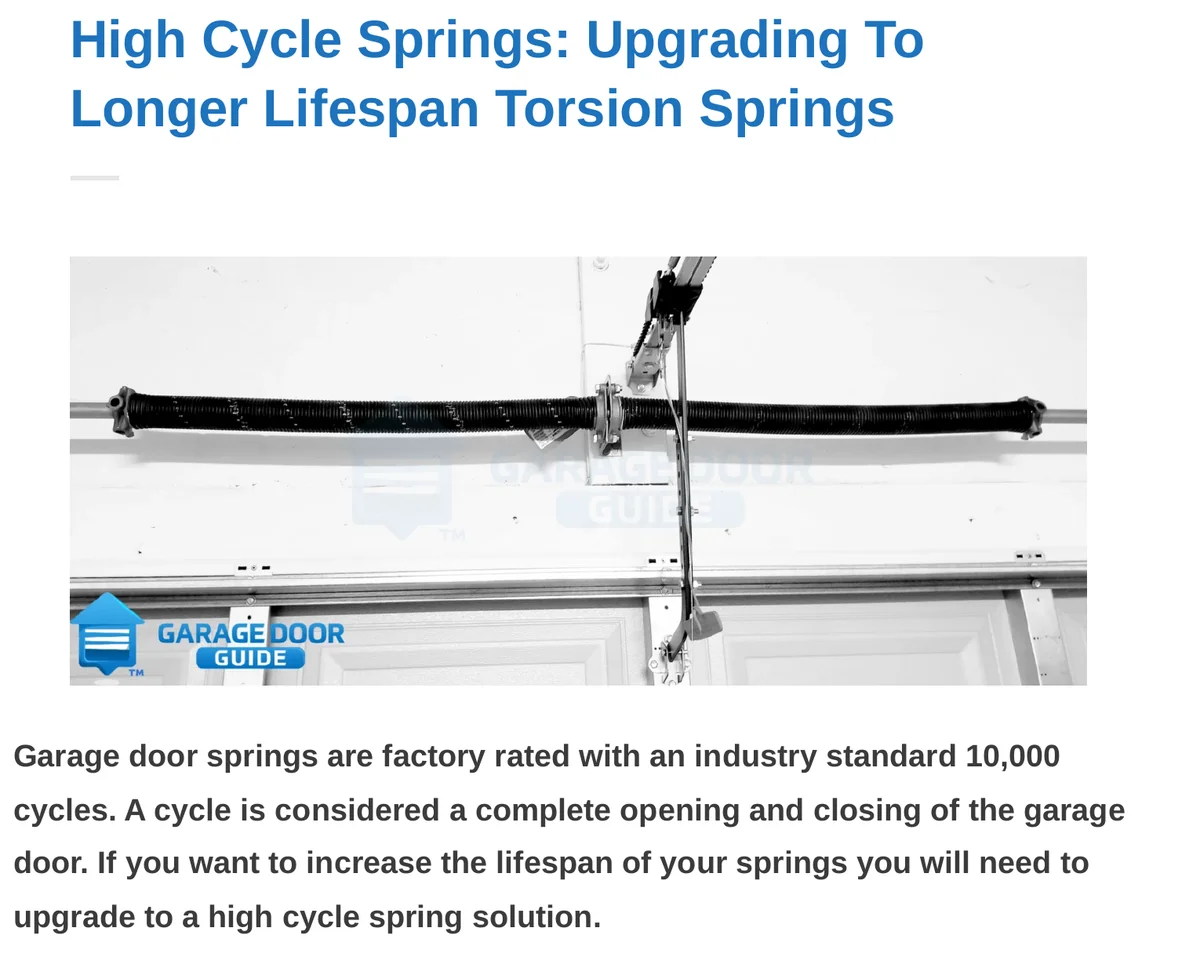
- Needs torsion springs and a sectional door; it will not work with extension springs.
- A rail drive needs 12 inches of headroom, but a jackshaft needs none.
- LiftMaster 8500W is the best-known jackshaft model (A+ Science, 2026).
Example: A homeowner in Cleveland had a car lift and 8 feet of headroom. A rail opener would have blocked the lift.
A jackshaft freed the whole ceiling for $900 fitted. So what: the dearest drive was the only one that fit.
5. Which Drive Fits Your Garage?
Pick from your garage, not from a sales page. Three checks settle it: where the garage sits, how heavy the door is, and how much headroom you have.
Attached garage or a bedroom above
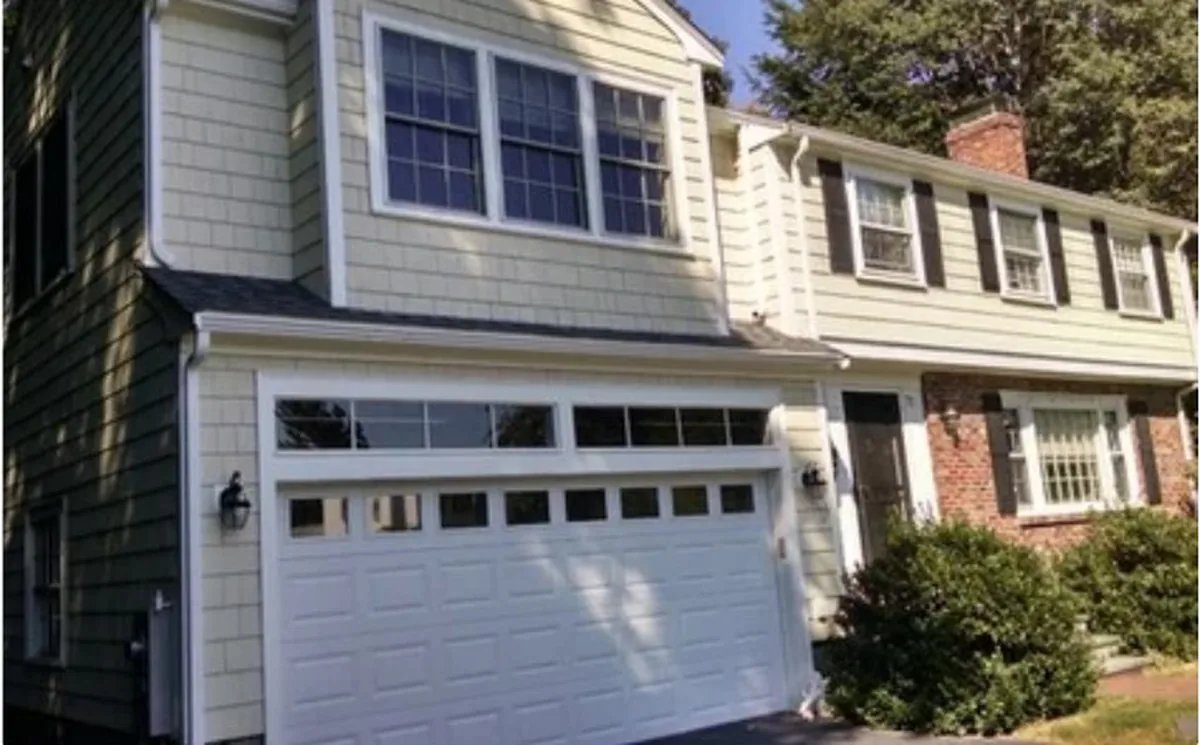
If the garage shares a wall or sits under a bedroom, noise is the first test. A quiet drive is worth more than a cheap one here.
- Pick belt first: quiet, mid-price, and easy to find.
- Pick jackshaft if you also want the ceiling clear.
- Skip chain: the rattle travels through joists and walls.
- Check the springs too: a weak spring makes any drive louder.
Detached garage or workshop
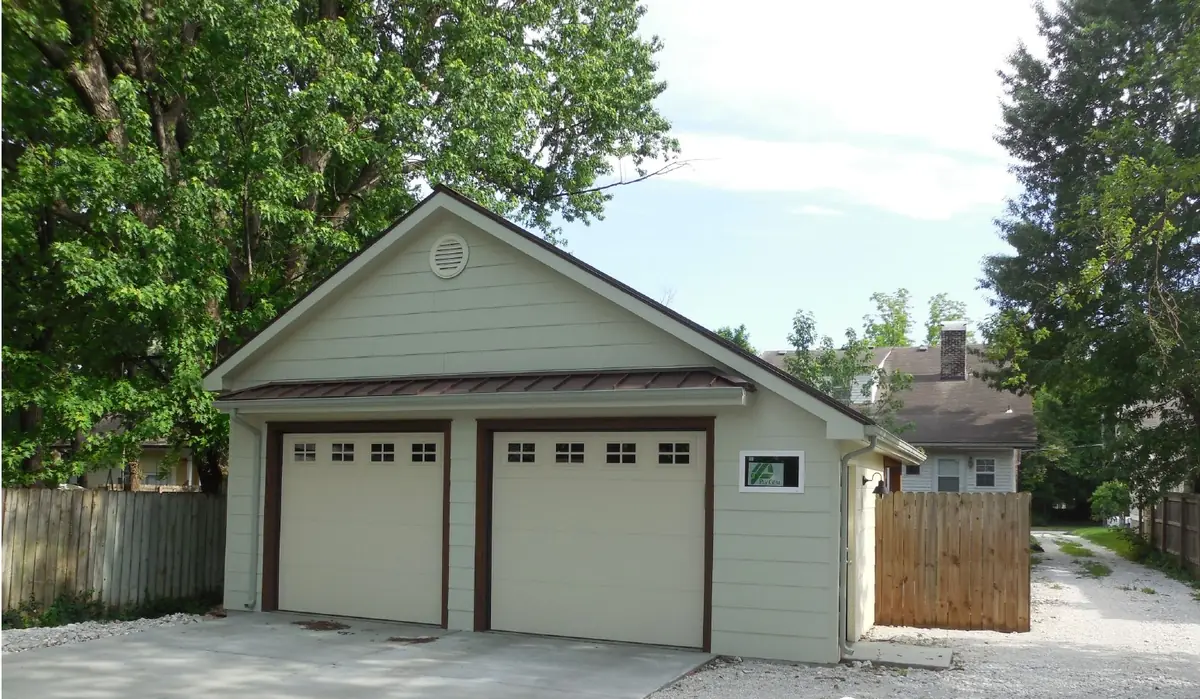
If the garage stands alone, noise harms no one. Spend the money on power and strength instead of quiet.
- Pick chain first: cheapest, strongest, and easy to fix.
- Belt still works, but you pay for quiet no one hears.
- Screw fits if the garage is cold and the door is wide.
- Keep the door balanced: a heavy door strains any drive.
Heavy door or low ceiling
Heavy doors and low ceilings change the pick. Size the motor by weight first, then pick the drive that fits the space.
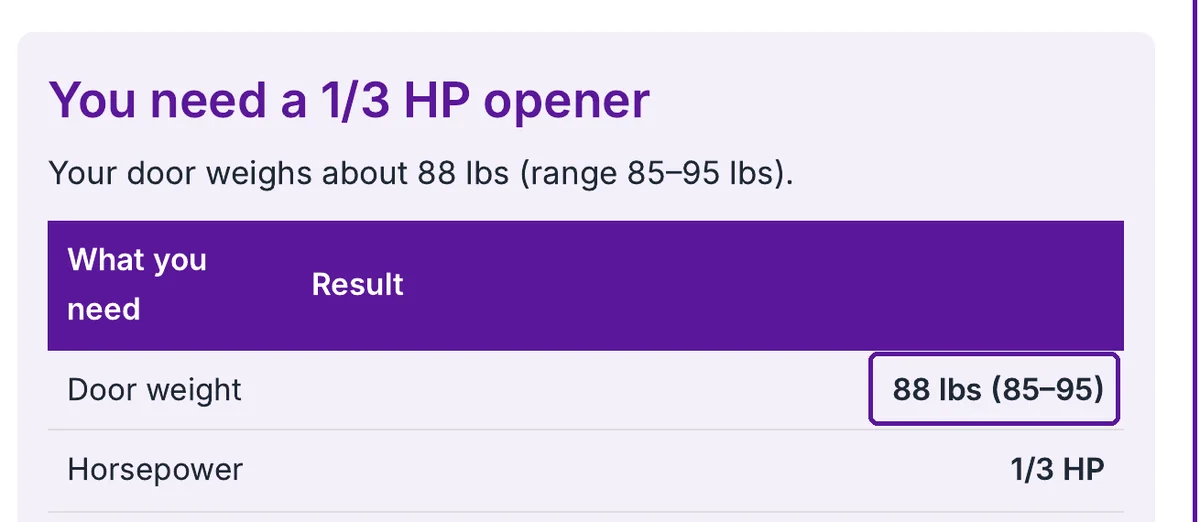
- A 16×7 solid wood door weighs 379 lb by the Weight Calculator, range 360 to 455 lb, and needs 1-1/4 HP (see the sizing guide).
- The Opener Size Calculator gives 230 lb for the same door; pick 1-1/4 HP to be safe.
- Chain and jackshaft both lift heavy doors well.
- Headroom under 12 inches rules out a rail drive; pick jackshaft.
- Springs do the lifting: if the door feels heavy, call a pro first.
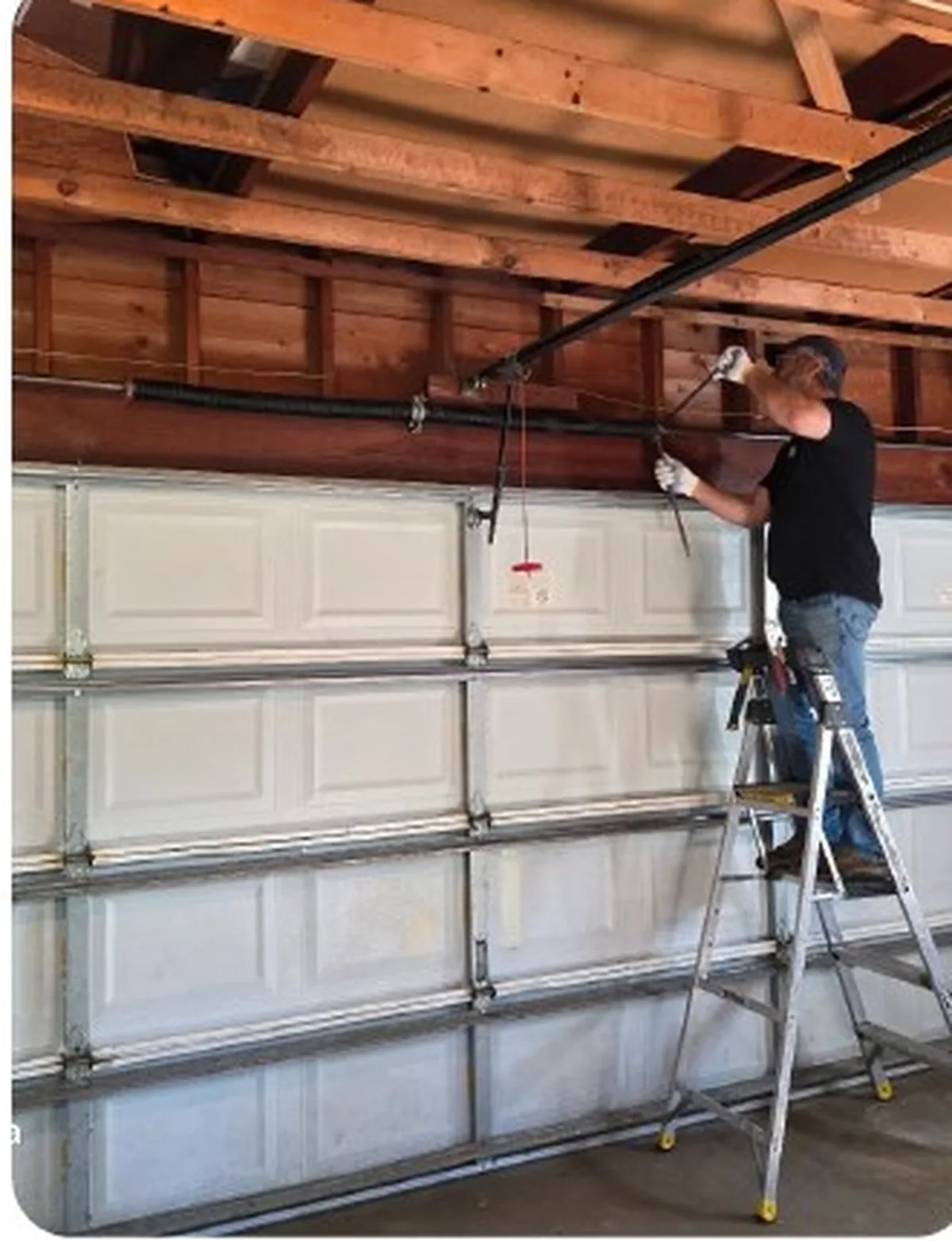
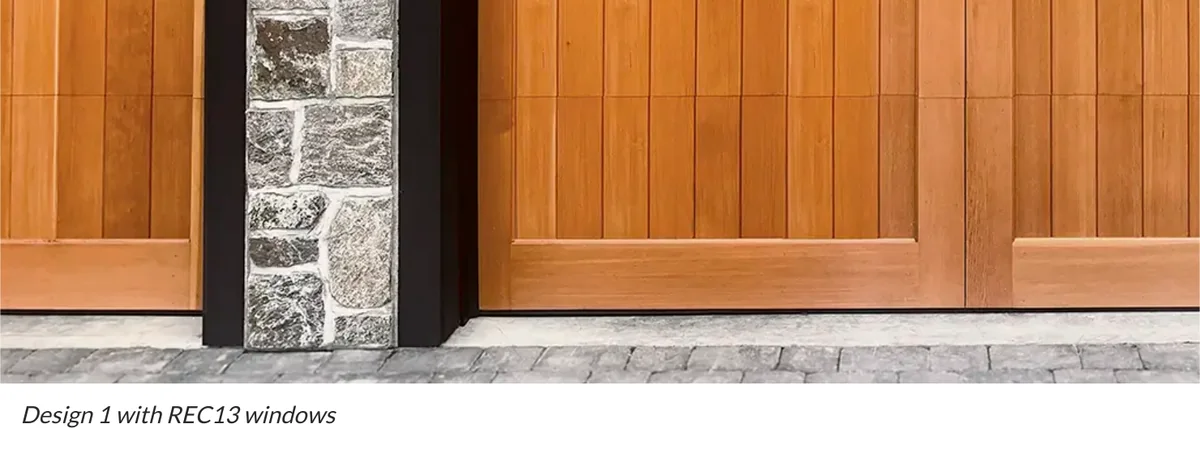
Example: A homeowner in Akron had a wood carriage door and 10 inches of headroom. Chain would fit, but the rail would not.
A jackshaft with a 1-1/4 HP motor solved both problems at once. So what: space and weight picked the drive, not price.
6. What It Costs Installed
Unit price is only half the bill. Fitting, brackets, and haul-away add up.
Installed cost by drive type
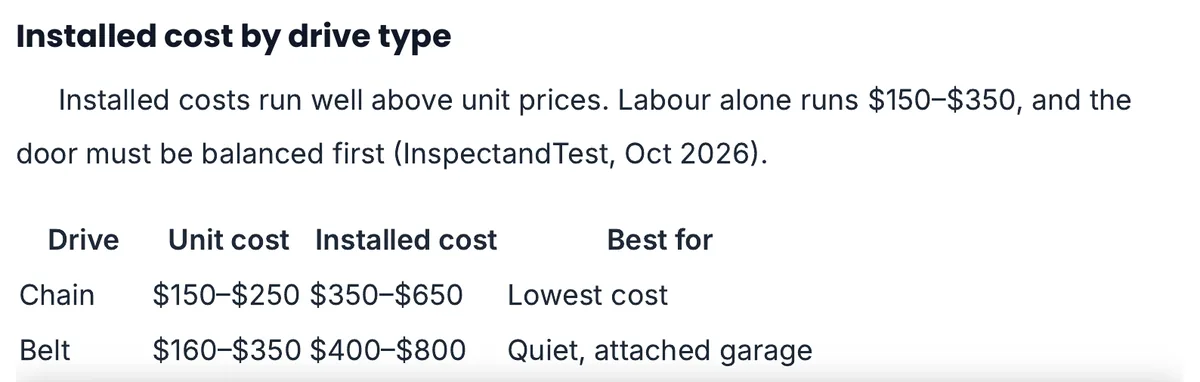
Installed costs run well above unit prices. Labor alone runs $150–$350, and the door must be balanced first (InspectandTest, Oct 2026).
| Drive | Unit cost | Installed cost | Best for |
|---|---|---|---|
| Chain | $150–$250 | $350–$650 | Lowest cost |
| Belt | $160–$350 | $400–$800 | Quiet, attached garage |
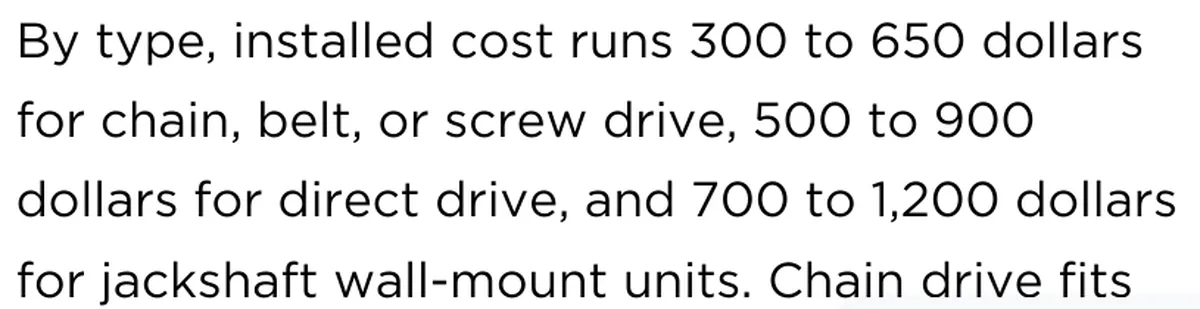
| Screw | $150–$300 | $300–$650 | Fast, few parts |
| Jackshaft | $280–$750 | $600–$1,300+ | No rail, low ceiling |
Sources: This Old House, 2026 (unit); InspectandTest, Oct 2026 (installed, chain / belt / jackshaft); Liberty Home Guard, 2026 (installed, screw).
- The average new opener costs $213–$371 (This Old House, 2026).
- Fitting a belt costs about $50–$100 more than fitting a chain (CallTheLocal, 2026).
- Get the door balanced first: an out-of-balance door strains any new opener.
- Ask what the quote covers: remotes, keypad, sensors, and haul-away.

What the $530 calculator default covers
The Opener Cost Calculator defaults to $530 for a fitted opener. That sits inside the belt range, so it is a fair mid-point for most homes.
- $530 is the default for a fitted opener (Garage Door Hub, 2026).
- Chain jobs often land below it; jackshaft jobs often land above it.
- Use the Opener Cost Calculator to price your exact drive and door size.
- If the repair costs more than half a new opener, replace it instead.
Example: A homeowner in Toledo priced a belt drive at $240 for the unit. The fitted quote came to $520, close to the $530 default.
The quote covered fitting, two remotes, and haul-away. So what: the calculator default matched a real quote.
Video: Belt vs Chain Garage Door Opener (Plus Screw and Jackshaft) (Coming Soon)
A 60 to 120 second video for this guide is coming soon. It will cover chain, belt, screw, and jackshaft drives, with noise, cost, and fit. No video is embedded here yet.
Garage Door Hub connects homeowners with trusted local garage door pros. Need a repair? Need a replacement? Start here. First, find out what it should cost. Then, price your exact job with our free calculator. Next, find a pro near you. Fast. No jargon. No guesswork. No surprise bills. Just clear prices, honest guides, and a local pro you can call today.
FAQ
Is a belt drive garage door opener quieter than a chain drive?
Yes. A belt drive runs at 40–50 dB, like a fridge hum, while a chain drive runs at 70–80 dB, like a vacuum cleaner (Overhead Door of Wilmington, 2026). The gap is large enough to hear through a bedroom floor.
How long does a belt drive garage door opener last?
About 10 to 15 years with care, the same as a chain drive (Overhead Door of Wilmington, 2026). Check the belt after 7 years for cracks or stretch, and replace it before it snaps.
Can I replace a chain drive with a belt drive?
Yes, but you replace the whole opener, not just the chain. The motor, rail, and trolley go together as one unit, so price a full swap with the cost calculator first.
Does a jackshaft opener work with any garage door?
No. A jackshaft needs torsion springs and a sectional door, and it will not work with extension springs (Today’s Homeowner, 2026). Check your spring type before you buy one.
Which drive is best for a heavy wood garage door?
Chain or jackshaft, with a motor sized by weight. A 16 by 7 solid wood door weighs 379 lb by the Weight Calculator (range 360 to 455 lb) and 230 lb by the Opener Size Calculator, so pick 1-1/4 HP.
Sources
- This Old House — Garage Door Opener Cost Guide. Unit costs + $213–$371 average. Checked 20 Nov 2026.
- Angi — Chain vs. Belt Drive Garage Door. Belt about $55 more than chain. Checked 20 Nov 2026.
- Overhead Door of Wilmington — Chain Drive vs Belt Drive Garage Door Opener. Noise 70–80 vs 40–50 dB, lifespan 10–15 years. Checked 20 Nov 2026.
- Today’s Homeowner — 7 Types of Garage Door Openers. Jackshaft $550–$640, needs sectional door. Checked 20 Nov 2026.
- A+ Science — The Science of Garage Doors. Noise and speed table for all four drives. Checked 20 Nov 2026.
- CallTheLocal — Garage Door Opener Replacement Cost. InspectandTest installed ranges, Oct 2026. Checked 20 Nov 2026.
- Liberty Home Guard — Garage Door Opener Installation Cost. Screw installed $300–$650. Checked 20 Nov 2026.
- Garage Door Hub calculators — Opener Cost 1538 ($530 fitted default), Opener Size 3824. Live 15 Nov 2026.
- Two live tools on a 16×7 solid wood door: Weight Calculator 379 lb (range 360–455), Opener Size Calculator 230 lb; safe pick 1-1/4 HP; rail needs 12 inches of headroom. Checked 21 Nov 2026.
Appendix — Related topics
You might have found this by these keywords — and if not, others might have:
A. Garage door opener keywords
- belt vs chain garage door opener
- chain vs belt garage door opener
- belt drive vs chain drive garage door opener
- belt drive garage door opener
- chain drive garage door opener
- screw drive garage door opener
- jackshaft garage door opener
- wall mount garage door opener
- quietest garage door opener
- garage door opener noise
- garage door opener cost
- garage door opener installation cost
- garage door opener repair cost
- best garage door opener
- belt drive garage door opener cost
- chain drive garage door opener cost
- garage door opener types
- liftmaster belt drive opener
- chamberlain belt drive opener
- genie screw drive opener